
7 Essential Tips for Small Garage Storage Success
To achieve small garage storage success, start with a clean slate by decluttering and sorting items into categories. Utilize ceiling storage options like racks, bins, and hooks to maximize vertical space. Choose multifunctional tools that can tackle various tasks, and opt for compact containers with labels for easy identification. Designate zones for specific activities to create a functional space. Install shelving strategically, considering accessibility and organization. Finally, implement a maintenance routine to regularly inspect your storage system and make adjustments as needed. By following these essential tips, you'll be well on your way to creating a garage that's both efficient and organized, and there's more to discover.
Key Takeaways
• Sort items into categories like 'keep,' 'donate,' and 'discard' to declutter and optimize storage space in small garages.
• Utilize ceiling-mounted storage racks, bins, or hooks to maximize vertical space and store infrequently used items overhead.
• Invest in multifunctional tools and organizers that prioritize storage space, have impressive capacity, and tackle a variety of tasks.
• Implement compact container usage with stackable designs, labels, and clear or transparent materials to maximize storage capacity.
• Assign specific areas for different activities in the garage, creating functional and organized zones, to achieve activity balance and avoid clutter.
Start With a Clean Slate
Clear everything out of your garage to begin the organizing process, and sort items into categories like 'keep,' 'donate,' and 'discard' to get a true sense of what you're working with. This step is pivotal in understanding what you need to store and how to optimize your space.
Declutter first by removing any items that are broken, outdated, or no longer useful. Be ruthless – if you haven't used it in a year, you probably won't miss it. Once you've purged your unwanted items, you can start organizing efficiently.
Group similar items together, like tools or sports equipment, and assign a designated area for each category. Consider using bins, baskets, or shelves to store items that you want to keep, but don't need immediate access to.
Utilize Ceiling Storage Options
Now that you've cleared out the clutter, it's time to think up - literally!
You'll be amazed at how much storage space you can create by utilizing your garage ceiling.
Maximize Vertical Space
By setting up ceiling-mounted storage racks, bins, or hooks, you can effectively tap into the often-wasted vertical space above your garage floor, freeing up valuable room for other essentials. This is especially crucial in small garages where every inch counts.
When choosing a ceiling storage solution, consider your specific needs and the types of items you want to store. For example, if you have bulky items like bicycles or kayaks, a sturdy rack system might be the way to go. On the other hand, if you're looking to store smaller items like bins or boxes, hooks or a slatwall system could be a better fit.
To elevate your ceiling storage, consider incorporating organization systems that allow you to customize your storage setup. You can also get creative with DIY projects, such as repurposing old pallets or crates to create unique storage solutions. Just make sure to follow safety guidelines and verify that your storage solutions are securely attached to the ceiling to avoid accidents.
Store Infrequently Used Items
Take advantage of overhead storage options to stash infrequently used items, like seasonal decorations, out-of-season clothing, or camping gear, freeing up valuable floor space for more frequently used essentials. This will help you create a more organized and clutter-free garage.
Implement a rotation system to make sure you can easily access and swap out items as needed. For instance, store winter gear during the summer months and vice versa. This approach will also help you identify items you no longer need or use, making it easier to implement decluttering strategies.
When storing seasonal items, consider using transparent bins or containers to make it easy to see what's inside. Label each bin with its contents and the date you stored it, so you can keep track of what you have and when you last used it.
Choose Multifunctional Tools
When it comes to choosing tools for your small garage, you'll want to prioritize multifunctional options that maximize storage space.
By selecting tools that can handle multiple tasks, you'll reduce clutter and free up room for other essentials.
As you start shopping, consider tools that offer impressive capacity, space-saving designs, and versatility - these will be your new best friends in the garage.
Tool Capacity Matters
You'll maximize your garage's tool storage capacity by investing in multifunctional tools that can tackle a variety of tasks with a single device. This approach not only saves space but also streamlines your tool organization. Instead of having multiple tools taking up valuable space, you can have one tool that serves multiple purposes.
For instance, a cordless drill with interchangeable bits can replace a set of separate drills, drivers, and screwdrivers. When selecting multifunctional tools, consider your garage layout and the types of projects you typically work on. Identify the most common tasks you perform and look for tools that can handle those tasks with ease.
Space-Saving Design Wins
Opt for tools with space-saving designs, such as a folding workbench or a retractable air hose reel, to maximize your garage's floor and wall space. By choosing multifunctional tools, you'll create a more efficient and organized workspace.
For instance, a wall-mounted pegboard with hooks and bins can store various tools and supplies, keeping them within easy reach while keeping the floor clear.
Incorporate creative organization ideas into your DIY projects to make the most of your garage's space. Consider installing hidden storage compartments or shelves to stash infrequently used items. Innovative solutions like overhead storage racks or ceiling-mounted bike lifts can also help free up valuable floor space.
When selecting tools, look for ones that serve multiple purposes. A cordless drill with interchangeable bits, for example, can replace several single-purpose tools.
Versatility Is Key
Versatility Is Key
Invest in tools that moonlight as problem-solvers, doubling or tripling their utility to declutter your workspace and amplify your productivity. When you're working with limited space, you need tools that can tackle multiple tasks at once.
Look for organizers that serve multiple purposes, like a pegboard with built-in bins or a workbench with integrated storage. These creative ideas will help you overcome common storage challenges and free up valuable space.
Consider a foldable worktable or a portable toolbox that can be easily stowed away when not in use. These innovative solutions will help you stay organized and focused on the task at hand. By choosing multifunctional tools, you'll reduce clutter and make the most of your available space.
Opt for Compact Containers
Compact containers, designed to maximize storage capacity while minimizing floor space, are a must-have for small garages where every inch counts. You need container organization that prioritizes space efficiency, allowing you to store more items in a smaller area.
Look for compact containers with stackable designs, which enable you to make the most of your garage's vertical space. Label each container so you can easily identify what's inside, and consider using clear or transparent containers to help you see the contents without having to open them.
When choosing compact containers, think about easy access. Opt for containers with handles or wheels, making it simple to move them around or pull them out when you need something. Consider using containers with dividers or compartments to keep similar items together, and store frequently used items in containers that are easy to reach.
Designate Zones for Activities
By assigning specific areas for different activities, such as a workspace for projects, a zone for sports equipment, and a section for seasonal decorations, you can create a functional and organized garage that accommodates your various needs.
This approach helps you achieve activity balance, ensuring that each area is dedicated to a specific purpose, and you're not cluttering up valuable space with mismatched items.
To implement this strategy, start by identifying the activities you want to prioritize in your garage. Then, allocate a specific zone for each activity, considering the frequency of use and the type of equipment or materials required.
Install Shelving Strategically
Once you've designated zones for your garage activities, it's time to install shelving that will maximize storage and accessibility in each area. This is where shelving organization comes into play. You want to make sure that your shelving units are strategically placed to optimize storage efficiency.
Here are some tips to keep in mind:
-
Install shelves at varying heights to accommodate items of different sizes and frequencies of use.
-
Use wall-mounted shelves to free up floor space and reduce clutter.
-
Choose shelving units with adjustable shelves to accommodate items of different sizes and shapes.
- Consider using bins and baskets to store small items and keep them organized.
Implement a Maintenance Routine
To maintain your garage storage system continues to function efficiently, set aside time each week to maintain organization and tackle clutter before it builds up. This routine will guarantee your garage remains a productive and organized space.
Conduct regular inspections of your storage system, paying attention to areas that tend to accumulate clutter. Set aside 15-30 minutes each week to declutter and reorganize items that have fallen out of place.
During these regular inspections, focus on organization system maintenance. Check if your labeling solutions are still effective and make adjustments as needed. Make sure labels are clear, concise, and easy to read. Also, take this opportunity to reassess your storage layout and make adjustments to optimize space.
Related Posts
-
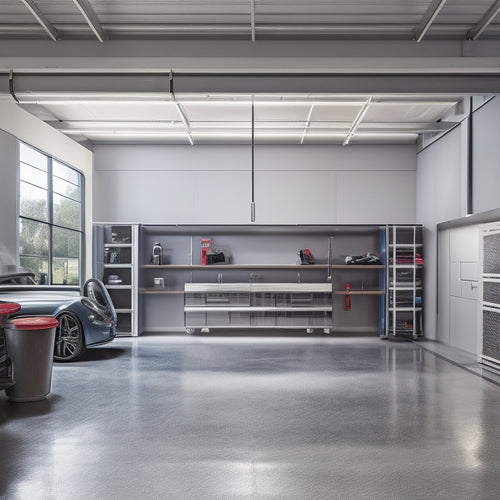
Top Garage Shelving Units for a Dream Garage
You're just a few smart shelving decisions away from transforming your cluttered garage into a well-organized haven w...
-

What to Do With Seasonal Decorations in Garage?
You've got a garage full of seasonal decorations, and it's time to get organized! Start by purging items you no longe...
-
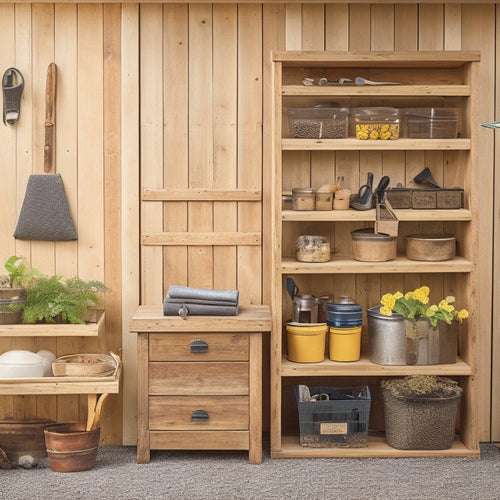
What's the Best Way to Store Gardening Tools?
You'll want to assess your garage space, considering the size and shape of your gardening tools, to determine effecti...
