
Streamline Your Garage Storage for Clutter-Free Bliss
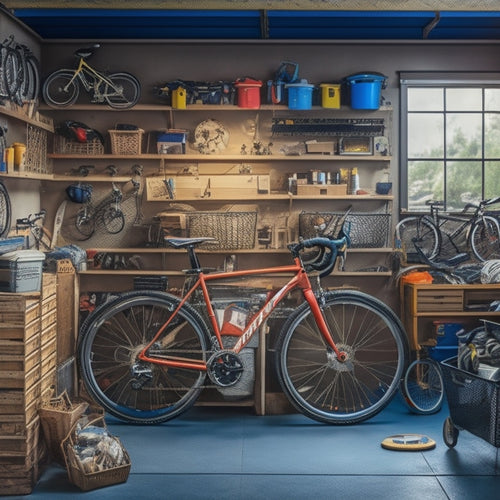
You're tired of feeling overwhelmed by your cluttered garage. To achieve clutter-free bliss, start by evaluating your storage needs and optimizing your garage layout. Purge unwanted items and categorize your remaining belongings into designated zones. Assign a home for everything, using vertical storage space, pegboards, and labeled bins. Implement a labeling system to maintain organization and make the most of hidden compartments. As you transform your garage, you'll be amazed at how much more space and peace of mind you'll gain. Now, take the next step towards a perfectly organized garage that sparks joy and inspires productivity.
Key Takeaways
• Conduct a storage assessment to identify frequently used items and optimize garage layout for maximum space utilization.
• Purge unwanted items by sorting into keep, donate/sell, and discard piles to declutter and free up space.
• Designate specific zones for tools, sports equipment, and seasonal decor to maintain organization and easy retrieval.
• Assign a home for each item using pegboards, hooks, and labeled bins to ensure everything has a designated spot.
• Maximize vertical storage space with ceiling-mounted racks and wall-mounted shelves to keep floors clear and clutter-free.
Assessing Your Garage Storage Needs
Determine how you use your garage to identify the types of items you need to store and the space you have available. This storage assessment will help you understand what you need to prioritize when organizing your garage. Take note of the frequency of use, size, and category of items. This will give you a clear idea of what you need to store and how much space is required.
Next, take a closer look at your garage's layout and identify any areas that can be optimized for storage. Consider the ceiling height, wall space, and corners. Think about how you can utilize these areas to maximize your storage capacity.
Garage decluttering and space optimization go hand-in-hand, so it's crucial to think strategically about how you can make the most of your available space.
Purging Unwanted Items First
Now that you've assessed your garage storage needs, it's time to tackle the clutter.
You'll need to identify the items that are no longer serving a purpose, sort them into categories, and then let go of what's no longer needed.
Identify Unwanted Items
You've likely accumulated a mountain of stuff in your garage over the years, so take everything out and sort items into three piles: keep, donate/sell, and discard. This is the first step towards achieving a clutter-free garage. Be honest with yourself – if you haven't used something in a year, it's probably safe to get rid of it.
As you sort, consider the following:
-
Donation options: set aside items that are still in good condition but no longer needed, such as tools, furniture, or sporting equipment. You can donate them to local charities or sell them through online platforms.
-
Resale opportunities: identify items that have value but are no longer useful to you, like old electronics or machinery. You can sell them online or through a garage sale.
-
Broken or damaged items: if something is beyond repair, it's time to let it go. Discard items that are broken, rusty, or damaged beyond repair.
- Seasonal items: store seasonal items like holiday decorations, winter gear, or summer toys in labeled bins to keep them organized and out of the way.
Sorting and Categorizing
Sorting items into categories allows you to see what you have, making it easier to decide what to keep, store, or discard. Start by grouping similar items together, such as tools, sports equipment, and seasonal decorations. This will give you a clear picture of what you have and help you identify duplicates or items that no longer serve a purpose.
Next, use color coding to categorize items within each group. For example, you can use red labels for tools, blue for sports equipment, and green for seasonal decorations. This visual system will make it easy to identify what's what at a glance.
As you categorize, label each container or bin with its contents and the category it belongs to. This will help you quickly find what you need and prevent clutter from building up again in the future.
Letting Go Easily
To free up valuable space and reduce decision fatigue, tackle the easy wins first by purging items that are broken, rusty, or no longer serve a purpose. You'll be surprised at how liberating it feels to let go of items that are no longer useful. This step is essential in the decluttering process, as it allows you to focus on what's truly important.
Here are some decluttering tips to help you let go easily:
-
Be ruthless: If you haven't used it in the past year, it's likely you won't miss it.
-
Let go of duplicates: If you have multiple items that serve the same purpose, keep only your favorite and get rid of the rest.
-
Release emotional attachment: Remember, the memories you've attached to an item are what's truly important, not the item itself. Take a photo of it and let it go.
- Keep the 'maybe' box small: Set a limit on the number of items you're unsure about, and revisit them after a few weeks. If you still haven't used them, it's time to let them go.
Categorizing Garage Storage Zones
Now that you've purged your garage of unwanted items, it's time to categorize your storage zones.
You'll want to designate specific areas for different purposes, segregate your storage into distinct sections, and create sectionalized task stations to maximize efficiency.
Zone Designation Purposes
By designating specific zones for different types of items, you'll create a garage storage system that's both functional and efficient. This thoughtful approach will help you maintain organization and make the most of your garage space. With a clear plan, you can allocate areas for specific activities or item categories, making it easier to find what you need when you need it.
Here are some zone designation purposes to contemplate:
-
Tool zone: Designate a specific area for tools and equipment, making it easy to access what you need for projects and repairs.
-
Sports equipment zone: Allocate a space for bikes, balls, and other sports gear, keeping them organized and out of the way.
-
Seasonal decor zone: Create a zone for storing seasonal decorations, making it easy to switch them out when the time comes.
- Crafting zone: Set aside a space for arts and crafts projects, keeping supplies and materials within reach.
Storage Area Segregation
You'll further maximize your garage's storage potential by categorizing your designated zones into smaller, more specific areas, ensuring that every item has a precise home within its corresponding zone.
This segregation of storage areas will help you maintain a clutter-free garage, making it easier to find what you need when you need it.
For instance, within your tool zone, you can create separate areas for hand tools, power tools, and gardening tools. This level of specificity will prevent tools from getting jumbled together, making it easier to access the one you need.
Sectionalized Task Stations
Categorizing your garage storage zones into sectionalized task stations enables you to create dedicated spaces for specific activities, ensuring that everything you need for a particular task is within easy reach. This approach allows you to optimize your garage's functionality, streamlining your workflow and reducing clutter.
By creating separate stations for different tasks, you can:
-
Prioritize tasks based on importance and frequency, ensuring you're tackling the most critical tasks first
-
Optimize your tool and equipment placement, reducing the time spent searching for what you need
-
Customize each zone to meet the specific needs of the task, whether it's woodworking, bike maintenance, or car repair
- Easily maintain organization and tidiness, as each station has its own designated space and storage
Assigning a Home for Everything
Assigning a Home for Everything
Designate a specific spot for each item, ensuring everything has its own designated zone within your garage storage system. This will help maintain organization and make it easier to find what you need when you need it.
| Category | Designated Zone |
|---|---|
| Organizing Tools | Pegboard with hooks and bins for frequently used tools |
| Storing Sports Gear | Shelves or bins labeled for specific sports equipment (e.g., bikes, balls, etc.) |
| Seasonal Decorations | Clearly labeled bins or containers on high shelves |
| Automotive Supplies | Near the workbench or in a designated cabinet |
Maximizing Vertical Storage Space
Now that you've assigned a home for everything, it's time to make the most of your garage's vertical space.
You'll be amazed at how much more storage you can squeeze in by using every available inch from floor to ceiling.
Utilize Ceiling-Mounted Racks
By installing ceiling-mounted racks, you can efficiently utilize the often-wasted space above your garage's workbenches and parking areas. This is a great way to maximize your garage's vertical storage space, keeping your floors and workspaces clutter-free.
When it comes to setting up ceiling-mounted racks, consider the following:
-
DIY installation: Make certain you have the necessary skills and tools to set up the racks safely and securely. If not, consider hiring a professional.
-
Weight capacity: Choose racks with a weight capacity that can handle the items you plan to store. You don't want your racks collapsing under the weight of your gear.
-
Safety measures: Always follow the manufacturer's instructions and take necessary safety precautions when setting up and using ceiling-mounted racks. Ensure the racks are securely fastened to the ceiling to prevent accidents.
- Maintenance tips: Regularly inspect your ceiling-mounted racks for signs of wear and tear, and perform maintenance tasks as needed to keep them in good condition.
Install Wall-Mounted Shelves
You can further optimize your garage's storage capacity by installing wall-mounted shelves, which provide an excellent means of maximizing vertical storage space while keeping your floor clear. This clever organization technique allows you to store items like bins, baskets, and boxes, keeping them easily accessible and out of the way. By utilizing your garage's walls, you'll create a sense of openness and make the space feel larger.
When selecting wall-mounted shelves, consider the weight capacity and durability of the shelves, as well as the type of items you'll be storing. Adjustable shelves are a great option, as they can be customized to fit different sizes of storage containers. Additionally, look for shelves with a sleek and slim design to maximize space optimization.
Utilizing Hidden Storage Areas
When mapping out your garage storage strategy, don't overlook the potential of hidden areas to stash items out of sight. You can create hidden compartments and secret storage spaces that keep your belongings organized and out of the way. This not only helps to declutter your garage but also adds an extra layer of security for valuable items.
Here are some ideas to get you started:
-
Install a false bottom in a storage bin or container to hide small items like tools or accessories
-
Use a sliding panel or door to conceal a storage compartment behind a shelf or cabinet
-
Take advantage of the space under your garage stairs by installing a hidden storage compartment or drawer
- Add a hidden compartment to your workbench or countertop to store frequently used items like pens, paper, or small tools
Implementing a Labeling System
A well-planned labeling system helps maintain your garage's organization and makes it easier to find what you need, saving you time and frustration. By using a labeling system, you'll be able to quickly identify what's inside storage bins and containers, making it easier to grab what you need in a hurry.
Consider using color-coded labels to categorize items by type or frequency of use. This will help you maintain a sense of organization and make it easier to put things back in their place.
Invest in a label maker to create clear, easy-to-read labels for your storage bins and shelves. This will help you avoid the frustration of digging through bins to find what you need. With labeled storage bins, you'll be able to see at a glance what's inside, making it easier to put things back where they belong.
A labeling system is a simple yet effective way to maintain your garage's organization and keep clutter at bay. By taking the time to set up a labeling system, you'll be able to enjoy the benefits of a clutter-free garage for years to come.
Designating a Workspace Area
Designating a specific workspace area within your garage helps contain projects and prevent clutter from spreading to other areas. This designated space allows you to focus on your tasks without distractions and keeps your tools and materials organized.
When designing your workspace, consider the tasks you'll be performing and the tools you'll need. This will help you create an efficient layout that maximizes your productivity.
Here are some tips to help you create an ideal workspace:
-
Create a U-shaped workstation: This layout allows you to access your tools and materials easily, reducing walking distances and increasing efficiency.
-
Incorporate a pegboard: Hang a pegboard on the wall or on a freestanding board to store frequently used tools and accessories.
-
Add a workbench: Invest in a sturdy workbench that provides ample space for your projects and has built-in storage for your tools and materials.
- Personalize your space: Add personal touches, such as a fun sign or a few decorative items, to make your workspace feel welcoming and inspiring.
Managing Seasonal Storage Items
Now that you've optimized your workspace, turn your attention to managing seasonal storage items that clutter your garage, such as summer toys, winter gear, and holiday decorations. These items often take up valuable space and can be a hassle to store.
Start by categorizing your seasonal items into groups, like summer, winter, and holiday. This will help you determine what you need to store and how you can best utilize your garage space.
Next, consider investing in storage bins and containers specifically designed for seasonal items. Label each bin clearly so you can easily find what you need when the season arrives. For example, store winter gear like skis, boots, and coats in a dedicated bin, and holiday decorations in another.
This will keep your garage floor clear and make it easier to access what you need.
Sustaining Your Organized Garage
By implementing a regular maintenance routine, you'll be able to sustain your newly organized garage and keep clutter at bay. This will make certain that your hard work doesn't go to waste and that your garage remains a clutter-free haven.
Here are some maintenance tips to help you achieve this:
-
Set aside 15-30 minutes each week to tidy up your garage and put away any items that are out of place.
-
Schedule a deeper clean every 2-3 months to tackle any areas that need extra attention.
-
Make it a habit to put things back where they belong after use, this will help uphold your organized system.
- Review your storage solutions and decluttering strategies regularly to make certain they're still working for you and make adjustments as needed.
Related Posts
-
What's the Best Way to Declutter a Small Garage?
You'll need a strategic plan to declutter your small garage. Start by appraising your space, identifying cramped area...
