
Tame the Clutter: Storing Seasonal Sports Gear
You're tired of maneuvering through a cluttered garage or storage room, dodging bicycles, skis, and paddleboards just to find the right gear for your next adventure. To tame the clutter, start by evaluating your garage space and identifying areas for optimization. Then, purge and categorize your gear, grouping similar items together and designating specific zones for each type of gear. Choose the right shelves and storage solutions, including overhead racks and corner units, and label them clearly. By implementing these strategies, you'll be well on your way to a clutter-free space that makes it easy to find what you need - and discover even more ways to maximize your storage.
Key Takeaways
• Identify areas for optimizing storage and create zones for different activities, such as ski, bike, or other gear, to maximize garage space.
• Purge and categorize gear by activity or season, grouping similar items together for efficient storage and easy gear rotation.
• Allocate zones for specific types of gear, enabling easy retrieval, and select shelves based on material durability, depth, and width for customized storage.
• Utilize overhead and corner spaces by installing racks, hooks, and bins to store bulky gear, such as kayaks and bicycles, and keep them organized and out of the way.
• Establish a routine of putting away gear immediately after use and schedule regular maintenance sessions to maintain a clutter-free storage system and protect gear from elements.
Assessing Your Garage Space
Take inventory of your garage's current layout and contents to identify areas that can be optimized or repurposed for storing seasonal sports gear. As you survey the space, consider the flow of traffic and how you can create a functional layout that accommodates your gear.
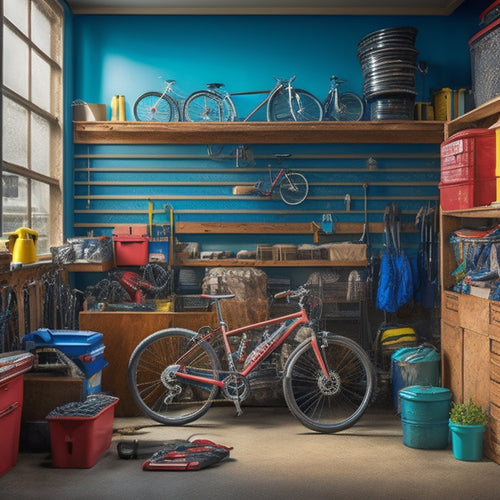
Look for opportunities to maximize vertical space by installing shelves, hooks, or a slatwall to hang items like bikes, kayaks, or skis. Think about the types of gear you need to store and how you can create zones for each activity, such as a ski station or a bike repair area.
Purge and Categorize Gear
Now that you've assessed your garage space, it's time to tackle the sports gear itself. You'll need to sort through your equipment and get rid of anything you no longer need or use, which will make the storage process much easier.
Next, group similar items together, such as all your winter gear or summer toys, to make the most of your available storage space.
Gear You No Longer Need
You regularly accumulate seasonal sports gear, but periodically, you need to purge items that no longer serve a purpose or fit your needs. This critical step helps you declutter your storage space and focus on the gear that truly matters.
Start by gathering all your seasonal sports gear and separating it into three piles: keep, donate/sell, and discard. Be honest with yourself – if you haven't used an item in a year, it's likely you won't miss it.
Consider donating excess gear that's still in good condition to local sports teams, charity organizations, or online platforms. You can also sell unused gear through online marketplaces, garage sales, or consignment shops. This way, you'll not only free up space but also make some extra cash or contribute to a good cause.
Discard any gear that's broken, damaged, or no longer functional. By purging your unwanted gear, you'll create a more organized and efficient storage system, making it easier to find what you need when you need it.
Group Similar Items Together
With your unwanted gear purged, categorize your remaining items by grouping similar sports equipment together, such as all winter gear, summer gear, or equipment specific to a particular sport. This sorting strategy will help you visualize what you have and where it should be stored.
Next, assign a home for each group by designating specific bins or shelves for each category. Labeling these bins will guarantee you can quickly identify what's inside. When organizing your bins, consider the equipment maintenance needs of each item. For instance, store gear that requires regular cleaning or maintenance, like bikes or kayaks, in an easily accessible area. This will motivate you to perform routine checks and upkeep.
Assigning Zones for Storage
Divide your storage area into distinct zones, each dedicated to a specific type of seasonal sports gear, to maintain organization and make retrieval a breeze. This zone organization will help you optimize your storage space, guaranteeing that each item has a designated home.
For instance, you can allocate a zone for winter gear, such as skis and snowboards, and another for summer gear, like bicycles and kayaks. This way, you'll be able to quickly locate the gear you need when the season arrives.
Assigning zones for storage also enables gear rotation, where you can easily swap out gear as the seasons change. This means you can store your summer gear in a designated zone during the winter months, freeing up space for your winter gear. By doing so, you'll ensure seasonal access to the gear you need, without having to dig through cluttered storage areas.
With a well-organized zone system, you'll save time, reduce frustration, and enjoy your sports and outdoor activities more. By optimizing your storage space, you'll be able to focus on what matters most – enjoying your favorite sports and activities.
Choosing the Right Shelves
When selecting shelves for your seasonal sports gear, you'll want to think about the type of material that best suits your needs. Whether it's durable plastic, sturdy metal, or sustainable wood.
You'll also need to contemplate the depth and width of your shelves, as these will impact how easily you can store and access your gear.
Shelf Material Matters
You'll need to select shelves made from materials that can withstand the weight and moisture associated with your seasonal sports gear. The right material will guarantee your shelves remain sturdy and functional throughout the year.
When choosing shelves, consider the following materials for their durability and practicality:
-
Metal: Strong and resistant to corrosion, metal shelves are ideal for heavy gear like ski equipment or bicycles.
-
Wood: Aesthetically pleasing and durable, wood shelves are suitable for lighter gear like tennis rackets or camping equipment.
-
Plastic: Water-resistant and easy to clean, plastic shelves are perfect for storing wet or dirty gear like surfboards or kayaks.
-
Composite: A mix of materials, composite shelves offer a balance of strength, durability, and aesthetic appeal.
-
Recycled materials: Eco-friendly and budget-friendly, recycled material shelves are a great option for those looking to reduce their environmental footprint.
Remember to balance material durability with space efficiency, aesthetic appeal, and cost effectiveness. By selecting the right shelves, you'll be able to create a functional and efficient storage system that meets your specific needs.
Depth and Width Options
With your shelf material selected, it's time to focus on choosing shelves with the right depth and width to accommodate your gear, ensuring a snug and organized fit. Consider the height variations of your sports equipment, such as skis, bikes, or golf clubs, and choose shelves that can accommodate these differences.
For instance, you may need deeper shelves for storing bulky items like hockey gear, while narrower shelves might be better suited for smaller items like tennis rackets.
To maximize space, look for shelves with adjustable height settings or consider using stackable containers to store smaller items like balls, gloves, or accessories. This will help keep your gear organized and easily accessible.
Additionally, think about the width of your shelves in relation to the size of your containers. Using space-saving containers or bins can help keep your gear organized and prevent clutter from building up.
Adjustable Shelf Features
Shelves with adjustable features, such as sliding brackets or telescoping poles, allow you to customize the shelf height to perfectly fit your sports gear, from the tallest ski poles to the shortest tennis rackets. This flexibility is essential for maximizing storage space and keeping your gear organized.
Here are some benefits of adjustable shelves:
-
Store bulky items like snowboards or surfboards on higher shelves and smaller items like tennis balls or golf clubs on lower shelves
-
Easily accommodate gear of varying lengths, such as fishing rods or hockey sticks
-
Create custom configurations to fit your specific sports equipment needs
-
Make the most of corner spaces with adjustable shelves that can be customized to fit snugly
-
Effortlessly switch between storing summer and winter gear, or swap out equipment as the seasons change
Utilizing Ceiling Storage
Maximize your garage's vertical space by installing overhead storage racks, which can hold bulky seasonal sports gear like kayaks, bicycles, or paddleboards. This will free up floor space and keep your gear organized and out of the way.
Consider combining overhead racks with wall hooks and storage bins to create a thorough storage system. You can hang items like helmets, life jackets, or ropes from wall hooks, and store smaller items like gloves or goggles in storage bins.
Overhead racks can be customized to fit your specific needs, with options for adjustable heights and widths. Look for hanging systems that can support heavy loads and are easy to install. You can also add bins or baskets to the overhead racks to store smaller items, keeping them dust-free and organized.
Maximizing Corner Spaces
Take advantage of the often-wasted space in your garage's corners by installing specialized storage units that can hold items like skis, hockey gear, or camping equipment. This is where corner shelving comes in, providing a clever solution for space optimization. By utilizing these often-overlooked areas, you'll be able to store more gear without sacrificing floor space.
Here are some creative ways to maximize your garage's corner spaces:
-
Install a carousel system that rotates to bring items to the front, making it easy to access your gear
-
Use stackable bins and baskets to store smaller items like helmets, gloves, and goggles
-
Invest in a corner shelving unit with adjustable shelves to accommodate items of varying sizes
-
Hang a pegboard on the wall and add hooks for hanging items like bikes, skateboards, or snowboards
-
Add a slide-out storage unit that can hold larger items like coolers or camping gear
Labeling and Signage Tips
Organization is key when it comes to storing seasonal sports gear, and labeling and signage play an important role in maintaining that organization by helping you quickly identify what's stored where.
To take your storage game to the next level, try incorporating color coding into your labeling system. Assign a specific color to each type of gear, such as blue for winter sports or green for summer sports. This visual cue will make it easy to spot what you need at a glance.
When it comes to labeling, get creative! Use clear, descriptive labels that indicate what's stored in each bin or on each shelf. Consider adding a photo or icon to the label to increase visibility and make it easier to identify what's inside. You can also use labels to indicate the season or frequency of use, helping you prioritize what needs to be accessed most often.
Storing Bulky Equipment Safely
Now that you've got your labeling and signage system in place, it's time to focus on the bigger items in your sports gear collection, like bulky equipment that requires special care and attention when storing. These items, such as surfboards, kayaks, or bicycles, need gear protection and storage solutions that guarantee they remain in top condition when you're ready to use them again.
To achieve compact organization and space optimization, consider the following storage strategies for your bulky equipment:
-
Use wall-mounted racks or hooks to hang items like bikes, kayaks, or paddleboards, keeping them off the floor and out of the way.
-
Invest in protective covers or bags to shield your gear from dust and damage.
-
Utilize ceiling-mounted storage solutions, such as pulley systems or winches, to maximize vertical space.
-
Consider using stackable storage bins or crates to store smaller bulky items, like hockey gear or camping equipment.
-
Designate a specific area, like a garage or shed, for storing bulky equipment, and organize it in a way that makes sense for your specific gear and needs.
Protecting Gear From Elements
When storing your seasonal sports gear, you'll want to take steps to protect it from the elements that can cause damage or deterioration.
You'll need to control moisture and shield your gear from harsh weather conditions, such as extreme temperatures, humidity, and direct sunlight.
Moisture Control Methods
To protect your seasonal sports gear from the damaging effects of moisture, you should implement a combination of moisture control methods that address ventilation, drying, and storage solutions. This multi-faceted approach will guarantee that your gear remains in top condition, even when not in use.
Here are some effective moisture control methods to contemplate:
-
Dehumidifier suggestions: Invest in a dehumidifier specifically designed for small spaces, like closets or storage rooms, to maintain a dry environment.
-
Store gear in breathable storage bags or containers with ventilation holes to allow air to circulate and moisture to escape.
-
Use Silica gel packs to absorb excess moisture from the air and maintain a dry environment.
-
Guarantee good air circulation around stored gear by leaving space between items and avoiding overcrowding.
-
Ponder using a desiccant like activated charcoal or calcium chloride to absorb moisture and control humidity.
Shield From Harsh Weather
You've taken the first step in protecting your seasonal sports gear by controlling moisture, but it's equally important to shield your gear from harsh weather conditions that can cause damage or deterioration. Exposure to direct sunlight, extreme temperatures, and precipitation can lead to cracks, fading, and corrosion. To safeguard your gear, consider investing in weatherproof containers or bags that are specifically designed to withstand the elements.
Here are some garage organization ideas to help you shield your gear from harsh weather:
| Storage Solution | Weather Protection | Ideal for |
|---|---|---|
| Weatherproof containers | Waterproof, UV-resistant | Outdoor gear like kayaks, bikes |
| Insulated bags | Temperature control, water-resistant | Skis, snowboards, camping gear |
| Garage cabinets | Dry, protected from precipitation | Golf clubs, tennis rackets, lawn games |
| Shelving units with covers | Dust protection, water-resistant | Baseball bats, soccer balls, hockey gear |
Maintaining Clutter-Free Habits
Establish a regular routine of putting away seasonal sports gear immediately after use to prevent clutter from accumulating in the first place. This habit will save you time and energy in the long term, and it's crucial for maintaining a clutter-free space. By doing so, you'll avoid the daunting task of dealing with a massive pile of gear at the end of the season.
To keep your gear organized, try these decluttering strategies and organizational hacks:
-
Designate a specific area for each type of gear, such as a corner for bikes or a shelf for skis.
-
Use space-saving solutions like hooks, bins, and baskets to store gear efficiently.
-
Clean and dry gear before storing it to prevent damage and musty odors.
-
Consider color-coding your storage bins to easily identify what's inside.
-
Schedule regular maintenance sessions to make sure your gear is in good condition and your storage system is still working for you.
Frequently Asked Questions
Can I Store Inflatables and Pool Toys in My Garage?
You can store inflatables and pool toys in your garage, but make sure to clean and dry them first to prevent mildew and damage, then utilize garage organization systems like bins and hooks to keep them off the floor.
How Do I Keep Pests Out of My Stored Gear?
'When it rains, it pours,' so take proactive steps to prevent pests from ruining your stored gear. Seal storage containers tightly, keep them off the floor, and maintain a clean, dry space to guarantee pest-free storage.
Can I Use Old Pallets for Shelving and Storage?
You can repurpose old pallets as shelving and storage, upcycling them into creative solutions. Disassemble, clean, and refinish the pallets to create unique storage units that fit your specific needs, adding a touch of industrial chic to your space.
Do I Need to Dry My Gear Before Storing It Away?
'Don't let your gear collect dust, literally! Before storing, you'll want to dry it thoroughly to prevent mold growth. Guarantee proper ventilation and a dry space to store your gear, or it'll be 'raining on your parade' when you need it again.'
Can I Store Gasoline-Powered Equipment in My Garage?
You shouldn't store gasoline-powered equipment in your garage without ensuring garage safety and proper ventilation, as fumes can accumulate and spark a fire; consider an outdoor shed or well-ventilated area instead.
Related Posts
-
3 Essential Garage Shelving Plans for Bulky Items
You need shelving that can handle the weight of your bulky garage items, with a minimum of 500 pounds per shelf, to g...
