
What to Do With Patio Furniture in Winter?
As winter approaches, you'll want to shield your patio furniture from harsh weather. Start by thoroughly cleaning each piece with a gentle cleaner and soft-bristled brush. Inspect for damage or wear, and apply a rust-inhibiting coating to metal frames. Designate a specific area in your garage for storage, utilizing wall-mounted hooks, shelving, and bins. Clean and disassemble furniture, then protect it with weather-resistant covers. Measure for a snug fit, secure with straps, and label each cover. By following these steps, you'll be well on your way to preserving your patio furniture - and there's more to explore to guarantee it stays in top condition.
Key Takeaways
• Thoroughly clean and dry patio furniture before storing to prevent damage and mildew.
• Disassemble and inspect furniture for damage or wear, applying rust-inhibiting coating to metal frames as needed.
• Use weather-resistant covers to protect furniture from the elements, securing them with straps or cords.
• Store patio furniture in a dry, designated area, such as a garage, using wall-mounted hooks, shelving, and bins.
• Regularly check on stored furniture to ensure it remains clean, dry, and protected from damage.
Prepare Patio Furniture for Storage
Before storing your patio furniture, take the time to thoroughly clean each piece, paying special attention to any cushions, upholstery, or fabric elements that may be prone to mildew or damage from moisture. This winter care ritual is important to maintain the quality and longevity of your outdoor furniture.
Use a gentle cleaner and a soft-bristled brush to remove dirt, grime, and mildew. Rinse thoroughly with water, and let the pieces air-dry to prevent water spots.
Next, inspect each piece for any damage or wear. Make repairs or replacements as needed, such as re-gluing loose joints or replacing worn-out screws. For metal frames, apply a rust-inhibiting coating to protect them from winter's harsh elements.
Garage Storage for Seasonal Items
With your patio furniture clean, repaired, and protected, now it's time to turn your attention to finding a dry, protected space to store it, and your garage is likely the perfect solution. This will keep your furniture safe from harsh winter weather and make sure it remains in great condition for next year.
When storing your patio furniture in your garage, consider the following tips:
-
Designate a specific area: Set aside a dedicated space for your patio furniture and other seasonal items to keep them organized and easy to access.
-
Use wall-mounted hooks: Hang items like bikes, outdoor equipment, and seasonal decor to maximize floor space and keep them off the ground.
-
Utilize shelving and bins: Store smaller items like cushions, pillows, and decorative items in labeled bins and on shelving units to keep them clean and dry.
- Keep it tidy: Keep the area well-organized and tidy to prevent damage and make it easier to find what you need when you need it.
Clean and Disassemble Furniture
Remove any loose debris from your patio furniture, then scrub it thoroughly with a mild detergent and warm water to prevent dirt and grime from damaging the material over the winter months. This step is essential to maintaining the quality of your furniture and ensuring it remains in top condition for the next outdoor season.
| Furniture Component | Cleaning and Disassembly Tips |
|---|---|
| Tables and chairs | Use a soft-bristled brush to remove dirt and debris from crevices and joints. Disassemble any removable parts, such as legs or armrests, to clean and store separately. |
| Sofas and sectionals | Clean surfaces with a gentle cleaner and water. Store cushions in a dry, protected area to prevent moisture buildup. |
| Umbrellas and canopies | Remove any dirt or debris from the fabric using a mild detergent and water. Allow to air dry before storing. |
| Planters and decorative items | Clean surfaces with soap and water. Drain any water from planters to prevent freezing and cracking. |
| Outdoor rugs and mats | Shake or vacuum to remove dirt and debris. Roll up and store in a dry, protected area. |
Protect Furniture With Covers
Now that your patio furniture is clean and disassembled, it's important to shield it from harsh winter elements with covers that fit snugly over each piece. This is a key step in winterizing your outdoor furniture, ensuring it remains in top condition until the warmer months return.
Here are some essential tips to keep in mind when choosing and using covers:
-
Measure your furniture: Make sure to take precise measurements of each piece to guarantee a snug fit.
-
Choose weather-resistant covers: Look for covers made from durable, water-repellent materials that can withstand harsh winter conditions.
-
Secure the covers: Use straps or elasticized hem cords to keep the covers in place, even in strong winds.
- Label and organize: Label each cover and store them in a dry, accessible location to make it easy to find the right one when you need it.
Organize Garage Storage Space
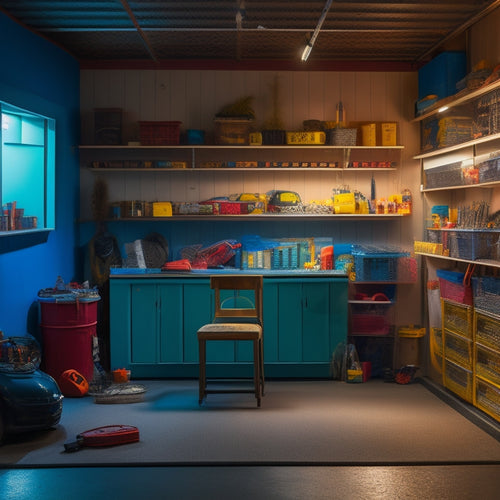
You'll want to designate a specific area of your garage for storing your patio furniture and accessories, using wall-mounted shelves, bins, and hooks to maximize vertical space and keep everything off the floor. This will help prevent clutter and make it easier to find what you need when you need it. Consider investing in shelving solutions specifically designed for garage storage, such as slatwall panels or overhead storage racks. These will help you maximize space and keep your garage organized.
As you organize your storage space, think about the items you need to store and how you can group them together. For example, you might store all your cushions and pillows on one shelf, and your outdoor decorations on another. Use bins and baskets to store smaller items like outdoor toys or gardening tools. By categorizing and containing your items, you'll be able to find what you need quickly and easily.
Maintain Furniture During Storage
As you've carefully organized your garage storage space, it's time to focus on protecting your patio furniture from damage and deterioration while it's stowed away for the winter. You've got the perfect storage solutions in place, but now it's essential to maintain your furniture during storage.
Here are some winterizing tips to keep in mind:
-
Clean and dry: Make sure to clean your patio furniture thoroughly before storing it away. Remove any dirt, debris, or mildew that may have accumulated during the summer months. Dry your furniture completely to prevent moisture buildup.
-
Use protective covers: Invest in high-quality covers that are specifically designed for outdoor furniture. These covers will shield your pieces from dust, moisture, and pests.
-
Keep it elevated: Store your furniture on pallets or blocks to keep it off the ground. This will prevent moisture from seeping up from the floor and reduce the risk of pest infestations.
- Check on it regularly: Periodically check on your stored furniture to make sure it's staying dry and pest-free. Make any necessary adjustments to keep your pieces in top condition.
Frequently Asked Questions
Can I Store Patio Furniture in a Basement or Attic?
You can store patio furniture in a basement or attic, but consider the humidity, temperature, and pest risks. Clean and disassemble items, wrap them in breathable covers, and label storage areas for easy retrieval.
How Often Should I Check on Stored Patio Furniture?
You'll want to check on stored patio furniture every 4-6 weeks to make sure it's not collecting moisture or pests, especially if it's in outdoor storage; winter maintenance is important to prevent damage and extend its lifespan.
Can I Use Shrink Wrap to Protect Patio Furniture?
"A million wrinkles will form on your face if you don't protect your patio furniture from winter's harsh elements! You can use shrink wrap, but consider winter covers or tarp options for a more durable, watertight seal to safeguard your outdoor investment."
Will Storing Patio Furniture Upside Down Cause Damage?
When storing patio furniture upside down, you'll risk water accumulation and damage. Instead, opt for furniture covers or weatherproofing materials to shield your pieces from the elements, ensuring a dry and protected surface for a smooth spring setup.
Can I Store Cushions and Pillows in Plastic Bins?
When storing cushions and pillows, you'll want to use plastic bins with tight-fitting lids to keep them dry and protected. Look for bins with moisture control features, like ventilation or silica gel packets, to prevent mold and mildew growth.
Related Posts
-
Shelving Solutions for Small Garage Spaces
You can optimize your small garage space by implementing strategic shelving solutions that maximize vertical storage,...
