
Why Small Garages Need Customized Storage Solutions
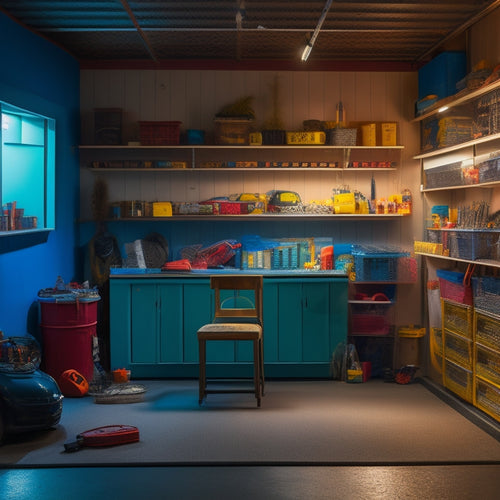
With limited square footage, your small garage demands a tailored approach to storage that capitalizes on every available inch, making customized storage solutions essential for maintaining organization and functionality. You'll need to think strategically to overcome limited floor space, maximize vertical storage, and utilize hidden areas. By doing so, you'll be able to create a functional work zone, manage seasonal storage needs, and even optimize storage for multiple cars. With the right approach, you can transform your small garage into a highly functional space that meets your unique needs. Now, it's time to explore the specifics of how to make that happen.
Key Takeaways
• Small garages require customized storage solutions to maximize limited floor space and optimize vertical storage capacity.
• Customized storage helps to overcome clutter, making it easier to find what you need and reducing frustration.
• A tailored storage system enables you to make the most of hidden storage areas, such as above the garage door or beneath stairs.
• Customized storage solutions facilitate efficient storage and retrieval of seasonal items, keeping them organized and out of the way.
• A well-designed storage system creates a functional work zone, enhancing productivity and reducing time spent searching for tools and supplies.
Maximizing Vertical Storage Space
By installing shelves, hooks, and bins that stretch from floor to ceiling, you can effectively triple your garage's storage capacity and keep your belongings organized and easily accessible. This vertical storage system allows you to make the most of your garage's often-wasted wall and ceiling space.
Wall shelves, for instance, provide ample space for storing items like toolboxes, storage containers, and other bulky items.
Hanging hooks, on the other hand, are perfect for suspending bicycles, tools, and accessories, keeping them off the floor and out of the way.
Ceiling racks, meanwhile, offer a convenient spot for storing infrequently used items like seasonal decorations, luggage, or camping gear.
Storage bins, placed on shelves or racks, help keep smaller items like nuts, bolts, and screws neatly organized and easily accessible.
Overcoming Limited Floor Space
When you're working with a small garage, maximizing every inch of floor space becomes crucial.
To overcome this common challenge, you'll need to think strategically about how to allocate space efficiently.
Maximize Vertical Space
Install shelves, hooks, and baskets to take advantage of your garage's vertical space, freeing up the floor for more essential items or a more spacious feel. By doing so, you'll be able to store items that you don't frequently use, such as seasonal decorations or out-of-season sports equipment, without cluttering the floor. This will create a sense of openness and make it easier to navigate your garage.
Innovative shelving systems can be customized to fit your specific needs and maximize your garage's vertical space. Consider installing adjustable shelves that can be moved up or down as needed, or shelves with built-in bins and baskets to keep items organized. Space-saving solutions like wall-mounted bike racks or hanging storage units can also help to keep your floor clear.
Optimize Corner Utilization
You can reclaim valuable floor space in your small garage by strategically utilizing its corners, which often remain underutilized and cluttered. By incorporating customized storage solutions, you can create a more organized and functional space.
Here are four ways to optimize corner utilization:
-
Install corner shelving: Perfect for storing bins, baskets, or other containers, corner shelving helps keep items off the floor and out of the way.
-
Use hanging hooks: Suspend bikes, tools, or accessories from the ceiling or walls, freeing up floor space and keeping your garage tidy.
-
Invest in wall cabinets: These provide ample storage for items like cleaning supplies, automotive parts, or seasonal decorations, keeping them hidden from view.
- Utilize ceiling racks: Ideal for infrequently used items like luggage, camping gear, or out-of-season sports equipment, ceiling racks maximize storage capacity while keeping the floor clear.
Utilizing Hidden Storage Areas
By creatively repurposing often-overlooked spaces, such as the area above your garage door or beneath the stairs, you can create valuable hidden storage areas that maximize your small garage's potential. This type of creative organization is essential for small garages, where every inch counts. By installing shelves, cabinets, or hooks in these hidden areas, you can store items like seasonal decorations, out-of-season clothing, or infrequently used tools, keeping them out of the way but still accessible.
Innovative storage solutions, such as hidden compartments or sliding drawers, can also be used to make the most of these hidden spaces. For example, you can install a sliding storage unit beneath your stairs to store items like luggage, camping gear, or other bulky items. By utilizing these hidden areas, you can free up valuable floor space for more frequently used items, creating a more organized and functional garage.
With a little creativity and planning, you can turn these often-wasted spaces into valuable storage areas that enhance your garage's functionality and efficiency.
Managing Seasonal Storage Needs
Seasonal items like holiday decorations, winter clothing, and sporting equipment can clutter your garage if not stored efficiently, making it essential to develop a strategic plan for managing these items when not in use. You need a system that allows you to easily access what you need while keeping the rest out of the way.
Consider implementing rotating storage solutions, such as carousels or turntables, to maximize your garage's vertical space and make it easy to retrieve items.
Here are some tips to help you manage your seasonal storage needs:
-
Categorize and group similar items: Store items that are used together, like winter gear or holiday decorations, in the same area to simplify retrieval.
-
Use portable shelving: Invest in portable shelving units that can be easily moved or rearranged as your storage needs change.
-
Label and sign storage areas: Clearly label and sign storage areas so you can quickly find what you need.
- Store out-of-season items off the floor: Use wall-mounted storage or overhead racks to keep items off the floor and out of the way.
Creating a Functional Work Zone
Three key elements - a dedicated workstation, adequate lighting, and strategically placed tool storage - come together to create a functional work zone in your small garage. By incorporating these elements, you'll be able to work efficiently and effectively, without feeling cramped or disorganized.
To create an ergonomic layout, consider the following:
| Element | Tips |
|---|---|
| Dedicated Workstation | Install a sturdy workbench with built-in storage for frequently used tools |
| Adequate Lighting | Install LED strips or under-cabinet lighting to illuminate your work area |
| Strategically Placed Tool Storage | Mount pegboards or hooks near your workstation to keep tools within easy reach |
Optimizing Storage for Multi-Cars
You'll need to maximize storage capacity in your small garage when accommodating multiple cars, which requires a thoughtful approach to parking, traffic flow, and clever use of available space. This involves strategically positioning your vehicles to ensure convenient access and efficient use of space.
To optimize storage for multi-cars, consider the following:
-
Overhead storage: Utilize ceiling-mounted racks or bins to store items like seasonal decorations, luggage, or infrequently used tools, keeping them out of the way but still accessible.
-
Car lift: Invest in a car lift to elevate one or more vehicles, freeing up valuable floor space for other uses, such as a workstation or additional storage.
-
Narrow shelving: Install narrow shelves or cabinets along walls to store items like cleaning supplies, car care products, or other essentials, keeping them organized and within reach.
- Tiered parking: Design a tiered parking system, where one car is parked in front of the other, allowing for more efficient use of space and easier access to each vehicle.
Frequently Asked Questions
Can Customized Storage Solutions Be Adapted for Non-Standard Garage Sizes?
As you navigate the puzzle of your irregularly-shaped garage, imagine a masterpiece of flexibility - customized storage solutions that adapt to your unique space, offering flexible layouts, modular options, and efficient utilization, ensuring every inch works in harmony.
How Do I Choose the Right Storage Materials for My Garage's Climate?
When selecting storage materials for your garage, you'll want to prioritize material durability and climate adaptability, ensuring your customized storage solutions withstand local weather conditions and last long-term.
Are Customized Storage Solutions Compatible With Existing Garage Systems?
You'll find customized storage solutions are often compatible with existing garage systems, but consider the installation process and compatibility with racks; weigh cost considerations and explore DIY options to guarantee a seamless integration.
Can I Install Customized Storage Solutions Myself or Do I Need a Professional?
'Measure twice, cut once' - with customized storage solutions, it's important to get it right. You can attempt a DIY installation, but for a seamless fit, consider seeking professional assistance to guarantee a precise, stress-free setup.
Will Customized Storage Solutions Increase My Garage's Resale Value?
You'll boost your garage's resale value by investing in customized storage solutions, which showcase exceptional organization and versatility through custom sizes, ultimately making your space more attractive to potential buyers.
Related Posts
-
Shelving Solutions for Small Garage Spaces
You can optimize your small garage space by implementing strategic shelving solutions that maximize vertical storage,...
